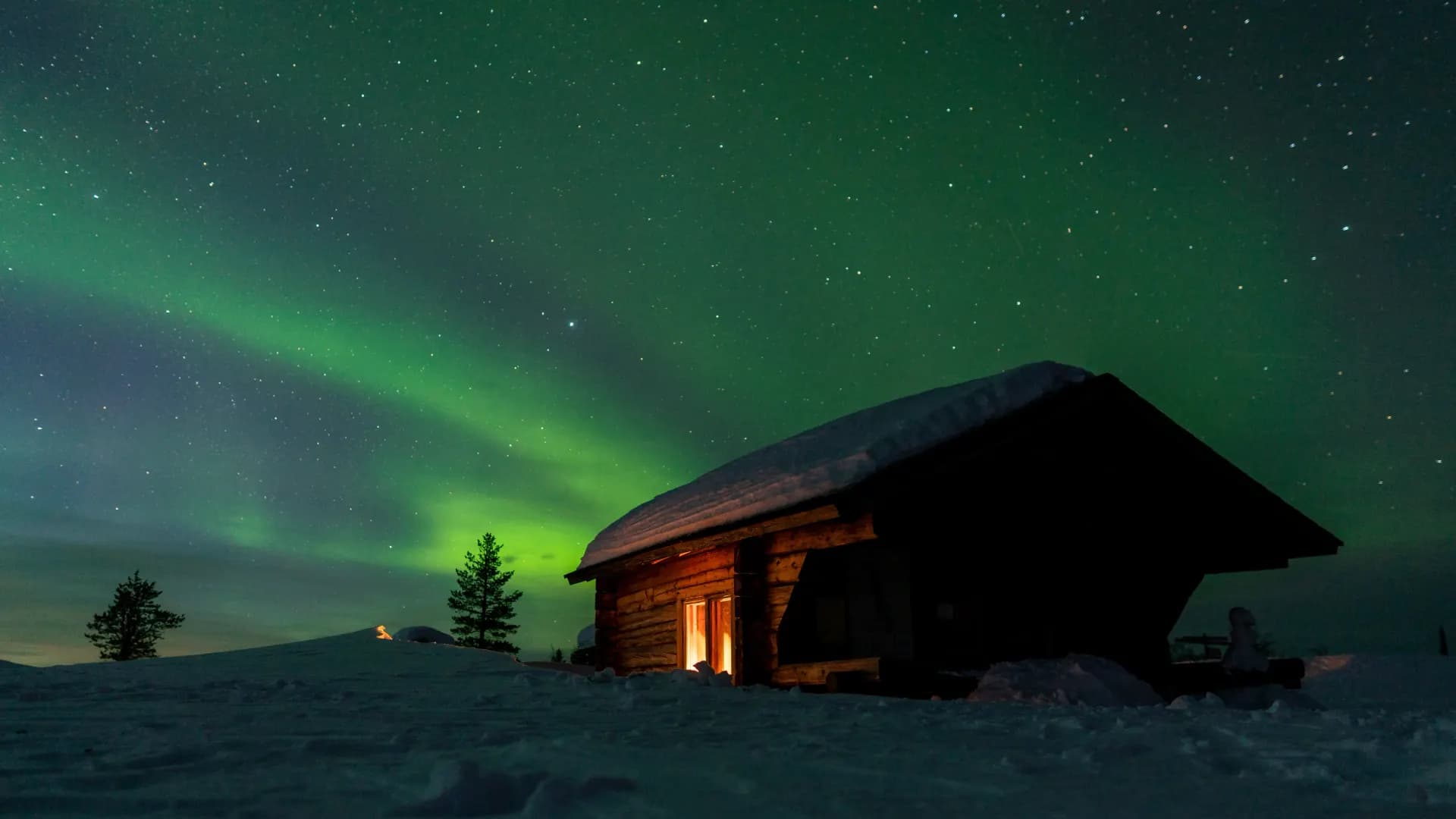
See local tour operators and small-group aurora viewing trips around Alta, including options with photography guidance and heated transport.
Some links on this page are affiliate links. Polar Forecast may earn a commission at no additional cost to you.
Alta is known as the aurora capital of the world — a title earned by position, climate, and culture rather than marketing alone. At 70°N deep inside the auroral oval, and inland from the Norwegian Sea storm track, Alta delivers clearer winter skies than coastal Tromsø while remaining reachable by airport and road. The Northern Lights Cathedral and Alta Museum — with ancient Sámi rock carvings that include aurora motifs — show how deeply this phenomenon is woven into local history. For dedicated chasers who prioritise dark, dry air over nightlife, Alta is often the smarter Norwegian base.
Alta's geomagnetic latitude of 67°N places it squarely in the auroral oval's peak activity zone. Even KP 0–1 can produce visible aurora overhead on clear nights. Because the town sits east of the coastal mountains, geomagnetic quiet nights still yield green arcs without requiring a major storm. During active conditions, the open Finnmarksvidda plateau provides an unobstructed dome of sky where rays and curtains can fill the entire field of view. Magnetic midnight typically falls near 11 PM–12 AM CET, matching Tromsø's window but with less maritime cloud interference.
Polar night in Alta runs from mid-November through late January. The full aurora season stretches October through March, with equinox periods offering the strongest geomagnetic statistics. October still has residual autumn colour and milder evenings; February is popular because days begin lengthening while nights remain auroral-dark and cold. March can still deliver excellent displays before twilight returns in force. As elsewhere in Arctic Norway, summer midnight sun makes aurora viewing impossible.
Head to Sorrisniva Igloo Hotel about 20 km south of town for a dark-sky position above the Alta River valley — a classic photography location. The plateau above Komsa hill gives open northern views close to town. Drive onto Finnmarksvidda when high pressure builds for the darkest, driest air in Norway. Alta's dry continental climate means cloud often clears faster than on the coast, so patience after a cloudy day is frequently rewarded. Bring expedition layers for −15 to −25°C on the clearest nights.
Alta's inland position behind the Finnmarksvidda plateau gives it the best cloud-frequency statistics in northern Norway among major aurora towns. Cold, dry high-pressure systems from the east regularly deliver clear aurora nights while Tromsø and the coast remain socked in. Winter temperatures reach −20°C and colder, but the air is often dry and still on the best nights — excellent for photography and comfort compared with coastal wind chill. When Atlantic fronts do push inland, they usually pass more quickly than at the coast. Monitor both KP and inland cloud: Alta's advantage is weather, not a higher geomagnetic threshold.
Frequently Asked Questions
Why is Alta called the aurora capital?
Alta's position at 70°N inside the auroral oval, combined with relatively clear winter skies (better than coastal Tromsø) and deep Sámi and local aurora cultural history, earned it the title. The Northern Lights Cathedral was built in its honour.
What KP is needed in Alta?
KP 0–1 is sufficient for aurora overhead. Alta sits in the oval's core — even near-silent solar conditions can produce faint visible aurora on clear nights. Higher KP intensifies colour and structure rather than being a visibility prerequisite.
How does Alta compare to Tromsø for aurora?
Alta generally has better cloud statistics due to its inland position. Tromsø has more tourist infrastructure, flights, and nightlife. Both sit inside the oval — choose Alta for clearer skies and quieter viewing, Tromsø for logistics and variety of tours.
Is it cold in Alta during aurora season?
Very. Expect −15 to −25°C on clear aurora nights. Dress in expedition-grade layers: wool base, insulating mid-layer, windproof shell, insulated boots, and hand warmers. Clear nights are the coldest nights — plan accordingly.